


My Daily Supplement Protocol
Today I'll break down my daily supplement protocol. What I take, when i take it and why. This is something that comes up a lot so I wanted to offer my thinking on the topic.
First, supplementation should be regarded as an assisting resource to boost your health. Perfect supplementation will not fix a lack of sleep, poor hydration or an absence of exercise. As the name suggests it is meant to supplement a healthy lifestyle. The vast majority of your results are going to come from three areas.
1-Whole food nutrition.
2-Training.
3-Sleep. These are not listed in order, all three of them need to be in relatively good order for you to expect sustained progress in a healthy way.
Certain specific supplementation may interfere with medications and/or health issues you may have. It is important to consult your Doctor regarding your daily supplementation.
Coq10- studies
Benefits-
Heart Health & Cardiovascular Disease: Extensive clinical guidelines indicate that CoQ10 reduces hospitalizations, vascular mortality, and symptom severity in patients with moderate-to-severe heart failure. It may also assist in lowering both systolic and diastolic blood pressure.
Cellular Energy & Athletic Performance: By taking part in the electron transport chain, CoQ10 boosts ATP (energy) production within cells. Studies on athletes indicate it can reduce markers of exercise-induced muscle damage and improve anaerobic performance.
Antioxidant Protection: CoQ10 helps neutralize free radicals, protecting cell membranes and DNA from oxidative damage.
Migraine Prevention: Supplementation is recognized by the Mayo Clinic as a helpful tool for preventing migraines.
Metabolic & Fertility Support: Research shows it can decrease insulin resistance, lower inflammation, and regulate testosterone in conditions like Polycystic Ovary Syndrome (PCOS).
Dosage/Timing - 300-400mg/day. Take in the morning with a meal that has dietary fat. See notes below on importance of taking it in the morning.
Maximized Absorption: CoQ10 relies on dietary fats to be absorbed efficiently. Taking it with breakfast (e.g., eggs, avocado, or yogurt) increases absorption, whereas taking it on an empty stomach can lead to substantially less absorption.
Energizing Effects: CoQ10 boosts cellular energy production. Taking it early in the day aligns with your circadian rhythm and boosts daytime energy.
Sleep Quality: For some people, CoQ10 acts as a mild stimulant. Taking it in the evening or close to bedtime may cause difficulty falling asleep or insomnia
Creatine- studies
Creatine is one of the most rigorously studied and effective sports supplements available. Research shows that creatine monohydrate significantly improves muscle strength, increases lean body mass, and boosts power during short, high-intensity activities. Furthermore, it supports brain health by enhancing cognitive processing, attention, and memory. For a multitude of reasons you need to make sure you are properly hydrated. Taking creatine while chronically underhydrated may cause kidney and liver damage.
Physical Performance & Muscle Growth
Strength & Power: Supplementation increases phosphocreatine in muscles, enabling faster regeneration of adenosine triphosphate (ATP) during intense anaerobic bursts.
Hypertrophy: When combined with heavy resistance training, creatine leads to greater gains in lean body mass and muscle morphology.
Brain Function & Cognitive Health
Mental Fatigue: By increasing brain phosphocreatine levels, creatine supports brain bioenergetics. This helps sustain cognitive functioning and information processing speeds during periods of metabolic stress like sleep deprivation or mental fatigue.
Memory & Attention: Systematic reviews indicate measurable improvements in domains like memory and attention span, particularly in vegetarians and older adults who may have lower baseline levels.
Dosage/Timing- 5g/day. Take it when you are most likely to remember taking it. Consistency is more important than timing here. Effective dosage may differ for cognitive benefits compared to physical performance benefits. Higher dosages(10-20g) may be required.
Collagen-studies
Joint & Bone health
Osteoarthritis Support: Clinical studies suggest that collagen peptides may be effective in reducing joint stiffness and relieving pain in individuals suffering from knee osteoarthritis.
Athletic Recovery: Research on recreational athletes indicates that collagen supplementation can aid in improving joint functionality and reducing activity-related joint pain.
Dosage/Timing- 20g/day is tolerated well by most people. Timing is not super important here.
Krill Oil- studies
Heart Health & Cholesterol: Research summarized by the Cleveland Clinic Health Essentials indicates that krill oil can effectively reduce total cholesterol and triglycerides while potentially increasing "good" HDL cholesterol. A study in ScienceDirect.com confirmed it significantly lowers "bad" LDL cholesterol.
Joint & Arthritis Support: Clinical evidence suggests krill oil reduces pain, stiffness, and inflammation in patients with rheumatoid arthritis. One study found that taking 300 mg daily for 30 days significantly improved symptoms.
Skin Health: Recent findings from the National Institutes of Health (.gov) explore its potential for maintaining skin hydration, improving elasticity, and protecting against UV-induced damage.
Muscle Function: Studies on aging adults show that six months of supplementation can increase knee extensor strength and grip strength.
Brain Health: While more human data is needed, Healthline notes its high phospholipid content may make it more neuroprotective and easier for the brain to absorb than standard fish oil.
PMS Relief: Clinical trials have found that krill oil significantly reduces physical and emotional PMS symptoms, sometimes outperforming fish oil in managing irritability and stress.
Dosage/Timing- It is important to take your krill oil with dietary fat to ensure proper absorption. 500-1000mg is an appropriate dosage.
Triple Magnesium- studies
"Triple magnesium" supplements combine three highly absorbable forms of magnesium (typically glycinate, malate, and citrate or oxide). Research shows this combination optimizes absorption across different pathways, providing proven benefits like improved sleep quality, reduced anxiety, lowered blood pressure, and better muscle function without the digestive distress often caused by a single source.
1. Magnesium Glycinate (Brain & Sleep)
Benefits: Known for its calming effects on the nervous system, it is highly studied for reducing anxiety, combating insomnia, and preventing migraines.The Studies: Research indicates that magnesium bisglycinate increases sleep efficiency, decreases sleep onset latency, and helps lower cortisol (the stress hormone). Because the amino acid glycine crosses the blood-brain barrier, it is also highly recommended by experts for managing stress.
2. Magnesium Malate (Energy & Muscle Support)
Benefits: Formulated with malic acid, a compound found in fruits, this type supports energy production at a cellular level. It is the premier choice for combating muscle soreness, fatigue, and muscle spasms.The Studies: Studies have frequently explored magnesium malate for its efficacy in managing pain, improving cellular energy in muscles, and alleviating symptoms associated with fibromyalgia.
3. Magnesium Citrate or Oxide (Digestion & Absorption)
Benefits: Citrate is highly bioavailable and brings water into the intestines to safely alleviate constipation. Oxide serves as a dense, basic magnesium source used to quickly address systemic deficiencies and relieve heartburn.The Studies: Clinical trials continuously show magnesium citrate's high absorption rate, making it ideal for maintaining baseline nerve, bone, and heart health.
Dosage/Timing- 200-350mg/day is the typical dosage for triple magnesium supplements. To optimize your sleep this should be taken 30-60 minutes before bed.
Electrolytes- studies
Electrolytes provide essential minerals like sodium, potassium, and magnesium—are critical for regulating fluid balance, muscle contractions, and nerve signals. Studies show they are vital for rehydration after illness or intense sweating. However, for most everyday activities and light exercise, a balanced diet provides sufficient electrolytes, and extra supplements are often unnecessary.
Optimal Hydration: Electrolytes pull water into your cells. Studies, such as those on the Beverage Hydration Index, indicate that specific electrolyte-carbohydrate combinations enhance fluid retention compared to plain water.
Muscle and Nerve Function: Minerals like sodium and potassium generate electrical impulses needed for muscle contractions and steady heartbeats. While many commercial drinks claim to prevent cramps, research indicates this is not universally true, though proper balance is essential for preventing irregular heart rhythms.
Cognitive Performance: Research on hypo-hydration demonstrates that consuming electrolytes alongside water can prevent cognitive decline and quicker response times associated with mild dehydration.
Cardiovascular Health: Long-term epidemiological studies highlight the synergistic role of electrolytes in blood pressure regulation. For instance, a high potassium and low sodium diet is strongly associated with a decreased risk of stroke and unfavorable cardiovascular events.
Dosage/Timing- Dosage of electrolytes is dependent on activity level, temperature(environmental temperature and body temp) humidity and if you are a salty sweater or not(this can be tested). This guide can be helpful to determine appropriate dosage for different scenarios. Timing is dependent on your exercise output, temperature and humidity. For extended exercise sessions(60+ minutes) it may benefit you to sip on an electrolyte mix during or prior to exercise.
Vitamin D- studies
Extensive research shows vitamin D is crucial for absorbing calcium to build healthy bones. Major studies—including Harvard's VITAL trial—also highlight its benefits in reducing advanced cancer risk by about 20%, slowing cellular aging by protecting telomeres, and supporting immune system regulation.
Bone Health: Promotes calcium absorption, preventing bone-thinning (osteoporosis) and fractures in older adults.
Cancer Risk Reduction: High-dose supplementation over 5 years is linked to a lowered risk of advanced or fatal cancers.
Anti-Aging & Cellular Health: Landmark studies suggest vitamin D protects chromosomal caps (telomeres), potentially slowing pathways of biological aging.
Immunity: Modulates immune function and decreases inflammatory responses.
Autoimmune Protection: Higher levels are associated with a decreased risk of multiple sclerosis and type 1 diabetes.
Dosage/Timing- Take vitamin D supplements in the morning with a meal that contains healthy fats (like avocado, eggs, or nuts). This maximizes fat-soluble absorption and avoids potential nighttime melatonin interference. The standard recommended daily dose is \(600\) to \(2,000\) IU, depending on your age and health needs.
This is not a perfect or exhaustive list. Your needs can and likely will be different than mine. I exercise and sweat consistently so this protocol may not be best for you. As previously stated, consult your Doctor regarding your supplementation protocol. If you have any questions about specific products I’d be happy to answer. Shoot me an email using the contact page on the drop down menu.
Mindset- Action divorced from outcome.
Remember the "why we started" topic? What were the reasons? Humble ones. To become more healthy, to have fun with friends, to learn a skill, because we think we'd enjoy it, to provide for others, to serve others. . None of these a ego driven. None of these are about placing ourselves in a hierarchy over others. The act(present moment-"action") of practicing(a sport, a skill, a task, a job) or learning is present moment. It's being immersed in doing, being, accomplishing the thing. I go on the run because its good for me. I head to work because its important to serve others and to provide for my family.
Lets talk mindset. In today's blog I'm going to argue that the best way to find good physical and mental health and reach your goals is to take action and remain totally divorced from outcome. I'll explain what I mean by that below.
When starting a new endeavor, an exercise program, a new sport, hobby or a job most of us start with a mindset of humility. Surely no one when first dribbling a basketball feels confident they'll be the next Michael Jordan. We typically start something because we think we'd enjoy it, we want to play with friends, we want to learn a skill, build a healthy habit, to be more productive, provide for our family or ourselves, to serve others, etc.
Somewhere along the way we start measuring ourselves against others, comparing our skills or results against those around us. Its a natural inclination. In modern times we extend this to the truly elite, we're a couple clicks away from seeing the best in sport train on youtube or Instagram. I can quickly check what Saquon Barkley's max squat is, how much Tia-Clair-Toomey lifts or runs a mile in, or how much money the best in a given profession is bringing in.
This is when the devil often creeps in, in the form of pride. The ego can start calculating. "I'm this far off from so and so in this regard, maybe i could be the best." "If I only train this many hours for this many months, maybe I could be the fittest." On its face this doesn't sound like a bad thing. It definitely is.
Remember the "why we started" topic? What were the reasons? Humble ones. To become more healthy, to have fun with friends, to learn a skill, because we think we'd enjoy it, to provide for others, to serve others. . None of these are ego driven. None of these are about placing ourselves in a hierarchy over others. The act(present moment-"action") of practicing(a sport, a skill, a task, a job) or learning is present moment. It's being immersed in doing, being, accomplishing the thing. I go on the run because its good for me. I head to work because its important to serve others and to provide for my family.
The ego driven mindset is future tense, "If I do this I can be the best", "I'm working hard so that I can gain respect, fame, and notoriety" "I'm doubling up my hustle so that I can get promoted" Much like a child looking for a gold star. This motivation is unsustainable, counting on things that are totally out of your control. There are external factors that can derail you from achieving your aim here. Genetics, finances, time, luck, workplace politics, nepotism. I could keep going, the list is endless.
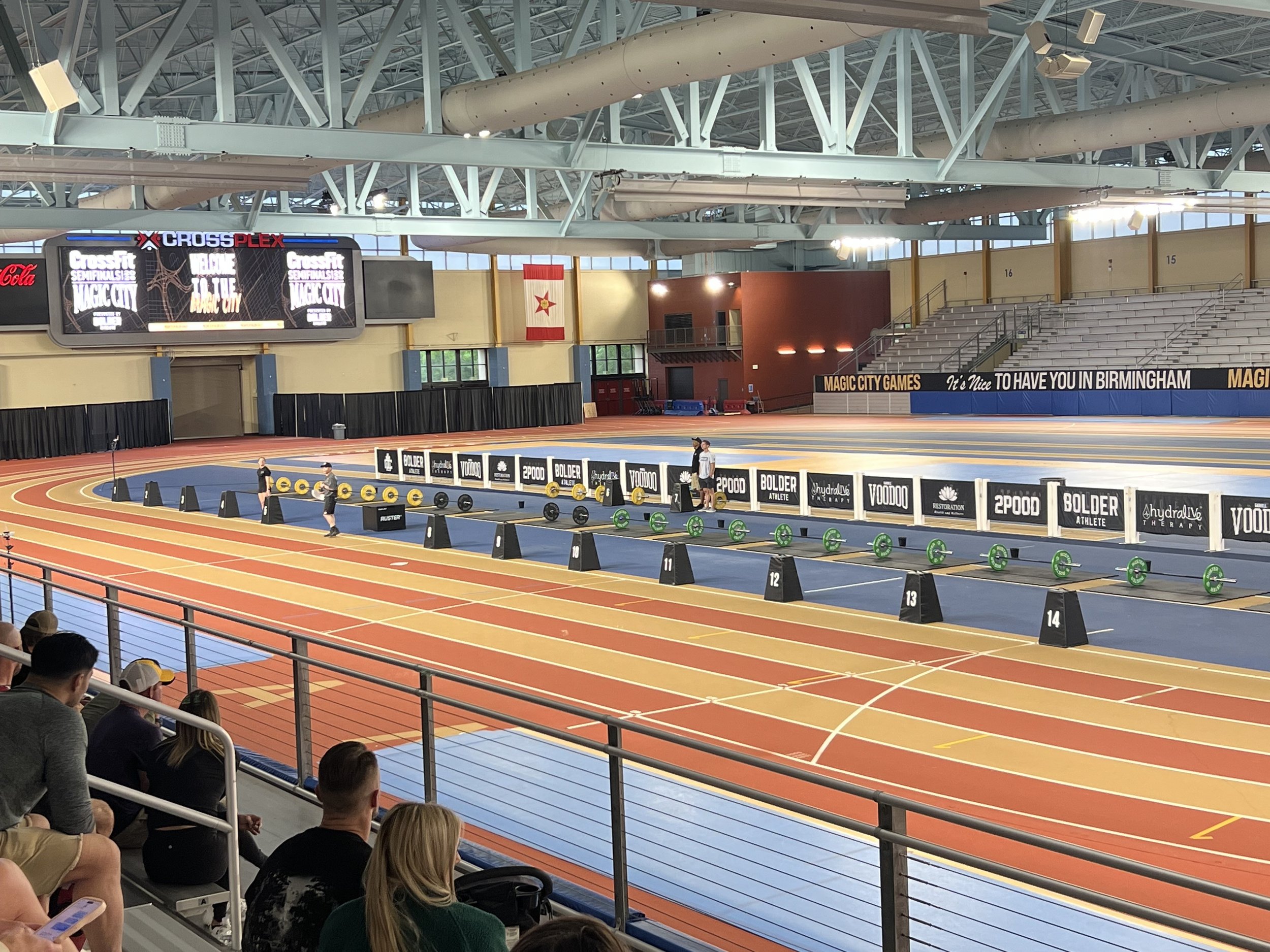
There was a very brief time where I thought maybe I could become a CrossFit Regionals(now Semifinals) competitor. This is a feat less than.5% of CrossFit competitors achieve. Truly an accomplishment only attained by the elite. I studied the best of the best as much as I could and doubled up my hustle. I trained once or twice a day, 6 days a week. The more I learned I quickly realized this was an unrealistic goal. No matter how much I trained I wasn't going to deadlift 600lbs, I wasn't going to snatch 315lbs, for those not familiar with the sport I'm saying I wasn't going to make the NBA as a 5'9 slow twitch middle distance runner. I was honest with myself about this and I had competitors state that this was actually a mental defect. "You gotta believe you can do it Jon, cmon" I assure you, no amount of belief will allow me to snatch 315lbs or dunk from the free throw line.
In my time competing in and coaching CrossFit, I've probably met 75-100 people who stated "I'm going to make Regionals" or "I'm going to make the Games" out of that group of lets say 100, two of them accomplished that goal. More importantly almost every single one of them is completely out of the sport now. The vast majority are not fit in any measurable way. Not only did they not reach the goal of being in the top half of a percent in competition, if tested most would fail to be in the top 25%. That is many orders of magnitude lower than the stated goal. As they progressed in their pursuit toward the hierarchical, ego driven goal that depended upon external factors they lost steam, became demoralized and deflated. The goal didn't motivate the same way it used to. I assume this is because they realized it wasn't going to happen for them.
To be clear, I think its great to have massive goals. To be curious as to how far you can make it, to leave room for the possibility of great things happening. There's nothing wrong with that, but the driving force behind your action should be because it is right, because it is good. This is sustainable motivation. When I run the miles because it is good for me, because I enjoy the process I don't get deflated when I get beat in a race. I continue running, I set a good example, I motivate my local community, my family, I maintain my weight and my cardiovascular health.
When one does it for glory, for fame, for attention or notoriety and those things don't come or don't come in the sum or the way that had been desired people tend to become deflated. The foundation for action was external, out of your control, ego driven, shaky and unsustainable. You never had possession of the gold stars and you're crushed that you didn't get one- so you quit. Harsh? If you say so. True? Certainly.
Furthermore the reality of life is that only one person can be the best at any given pursuit. What in the hell are the rest of us supposed to do? Should we all quit squatting because Hafthor or whomever squats 1,000lbs and that is completely out of reach for almost everyone?
If I’m not going to be the fittest in the world should I stop exercising and become a couch potato?
If I’m not going to win the promotion over a competing coworker should I stop working? Stop serving the public? Stop providing for myself or my family? You get the point.
Now if you are truly one of those who could ascend to that fraction of a fraction with the talent, work ethic, resilience and luck to be the best or close to it, should your motivations change? Should the elite think differently? No.
Even for the elite, there will be moments in the journey when you are tempted to project into the future, when things get hard and you start to feel sorry for yourself, you start to feel your goal slipping away and you are tempted to quit. I'm arguing that the answer to this is to stay present minded. Focus on the task that you're doing, the rep or task that you are completing and give it your best because that is what is right. Because its good for you, because its a good example to others, because quitting isn't the example you want to set for others. This is controlling what you can control, this is giving your best, and this will lead to the best outcome.